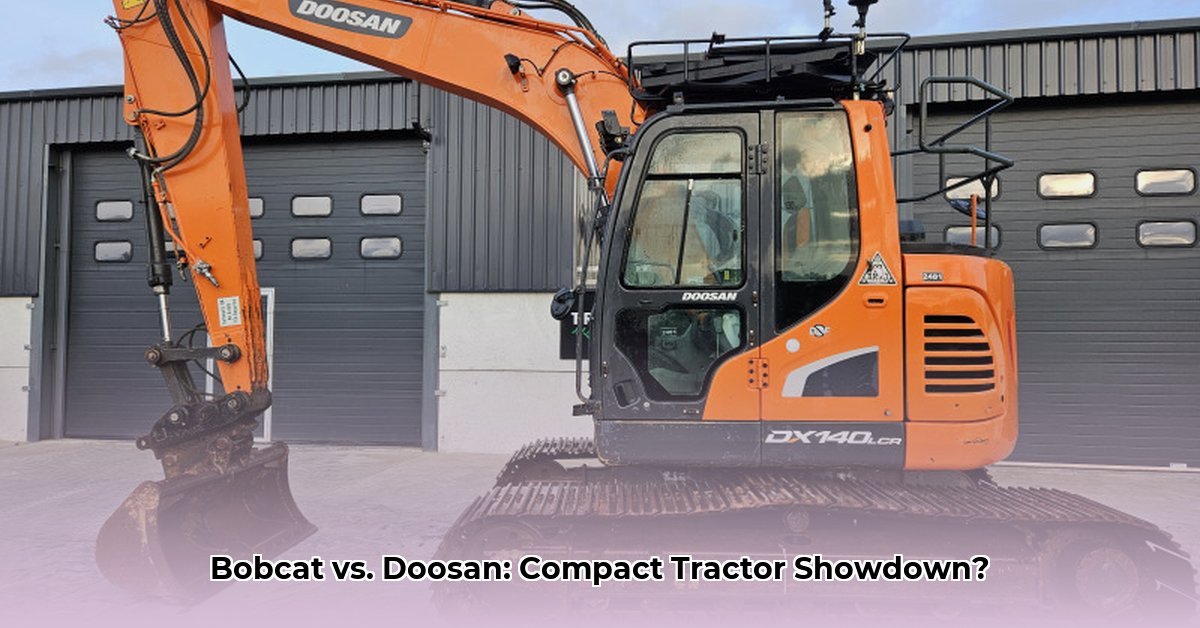
Bobcat's Strategic Entry into the Compact Tractor Market: A Competitive Landscape Analysis
Bobcat, a subsidiary of Doosan Infracore, has significantly impacted the compact tractor market with its recent product launch. This strategic move, leveraging Bobcat's strong brand recognition in the construction sector, aims to capture a considerable share of the agricultural equipment market. However, this is a highly competitive landscape, and success hinges on several key factors. How will Bobcat fare against established players? This analysis delves into the competitive dynamics, examining Bobcat's strategy and the challenges it faces. For more information on rotary tillers, check out this helpful resource: Rotary tiller info.
Bobcat's new line of compact tractors offers a range of models catering to diverse farming needs, from smaller operations to larger farms. Features such as customizable power take-offs, available cabin and open-air models, enhanced ground speeds, and compatibility with various attachments aim to boost productivity and appeal to a broad customer base. But are these features enough to differentiate Bobcat in a market already saturated with established brands boasting loyal customer bases and extensive dealer networks? This question lies at the heart of their strategic gamble.
Will Bobcat's established reputation in the construction industry translate into success in the agricultural sector? Farmers may have different purchasing criteria than construction companies, and that demands a tailored marketing and sales approach.
Key Factors Shaping Bobcat's Success
Three pivotal factors will determine the long-term success of Bobcat's foray into the compact tractor market:
Competitive Pricing and Dealer Network: Success hinges on offering competitively priced tractors and establishing a robust, nationwide dealer network providing timely service and parts availability. This is critical for building trust and ensuring customer satisfaction. Without readily available support, the advanced features of the tractors will be less appealing to potential buyers.
Effective Marketing and Branding: Bobcat needs to effectively communicate the value proposition of its compact tractors to farmers. This involves highlighting the key features and benefits compared to competitors, focusing on aspects such as productivity gains, versatility, and long-term cost-effectiveness.
Addressing Market Challenges: The market presents considerable challenges including intense competition, potential supply chain issues, and the constant evolution of agricultural technology. Bobcat must develop a robust risk mitigation strategy anticipating and adapting to these dynamic market forces.
Bobcat's Short-Term and Long-Term Strategies
Doosan and Bobcat have outlined a multi-pronged strategy for market penetration:
Short-Term Goals (Next 12 Months):
- Aggressive marketing campaigns targeting key demographics of farmers.
- Strategic partnerships with existing dealer networks to ensure broad distribution and service capabilities.
- Competitive pricing analysis to ensure optimal market positioning.
Long-Term Vision (3-5 Years):
- Continuous research and development to innovate and introduce new technologies (such as automation or electric options)
- Expansion of the dealer network and enhancement of after-sales service.
- Strategic alliances with complementary businesses in the agricultural sector.
Navigating the Risks: A Proactive Approach
Bobcat faces several potential risks:
| Risk Factor | Likelihood | Impact | Mitigation Strategy |
|---|---|---|---|
| Intense Competition | Very High | Very Significant | Superior marketing, competitive pricing, robust dealer network |
| Supply Chain Disruptions | Moderate | Significant | Diversified sourcing, strategic inventory management |
| Technological Advancements | Moderate | Very Significant | Continuous R&D, strategic partnerships |
| Regulatory Changes | Low | Significant | Proactive compliance monitoring |
Isn't it crucial for Bobcat to proactively manage these potential disruptions? Their success hinges on effectively mitigating these risks.
Bobcat's 2025 Financing Strategy: A Competitive Edge?
Bobcat's 2025 financing incentives, including 0% financing and substantial rebates, are designed to stimulate immediate sales and create market urgency. While this strategy is bold, its effectiveness depends on several factors, including transparency regarding its specific applicability, dealer participation levels, and the overall competitiveness of the offerings. A lack of detail within marketing materials requires direct dealer contact for precise information, transforming the purchase process into a more individualized search.
How to Evaluate Bobcat Compact Tractor Financing
To effectively assess Bobcat's financing options:
- Gather multiple quotes: Obtain proposals from several Bobcat dealers to compare terms and conditions. This will assist in uncovering potential variations in pricing and financing plans.
- Verify eligibility criteria: Confirm the specific models and conditions eligible for financing promotions. This is crucial as specific models or features may have different eligibility requirements.
- Scrutinize all aspects: Compare interest rates, loan terms, any associated fees, and the total cost of ownership, carefully considering the impact of potential rebates.
- Incorporate long-term costs: Factor in potential maintenance, repair, and extended warranty costs to gain a complete perspective of the overall cost of ownership.
By carefully weighing these factors, prospective buyers can make informed decisions. This dynamic market demands a proactive and discerning approach from all stakeholders. The long-term implications of Bobcat's entry remain to be seen, yet the strategy sets the stage for a significant competitive shakeup.